
Key facts
- Robotaxi service start
- 3 September 2026, Austin, Texas (USA)
- Production start
- Q2 2026 at Gigafactory Texas
- Installed capacity
- More than 125,000 a year (Texas, Tesla Q3 2026)
- Seats
- 2, no steering wheel, accelerator or brake pedal
- Trunk
- 20.2 cu ft (572 litres), rear only, up to 100 kg
- Austin service hours
- 6am to midnight
- India
- No Indian plans announced
Tesla Cybercab robotaxi launch: what happened and when
The Tesla Cybercab robotaxi launch took place in Austin, Texas, where Tesla began giving Robotaxi rides in Cybercabs on 3 September 2026. Tesla confirmed the date in its Q3 2026 shareholder update, published on 21 October 2026, and listed the Austin deployment among its main operating highlights for the quarter.
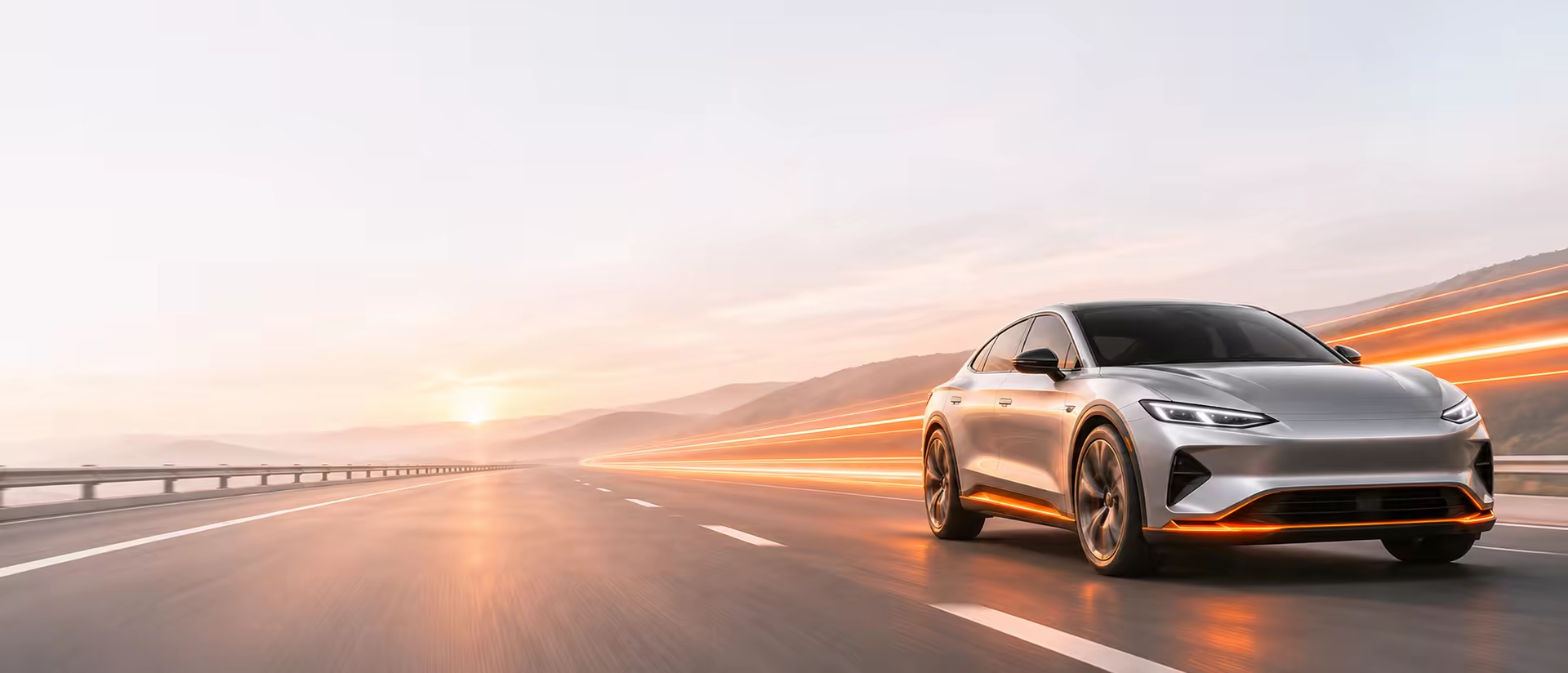
The Cybercab is Tesla's first car built only for self-driving use. It has two seats and no steering wheel, accelerator or brake pedal, so it is designed to be ridden rather than driven. For now it is something you ride through Tesla's Robotaxi service in Austin, not a car you can buy at a Tesla showroom.
From pilot line to passengers: Tesla Cybercab production in 2026
The Tesla Cybercab moved through several stages during 2026. In April, Tesla said the car was in pilot production. By its July update, production had begun at Gigafactory Texas, engineers were test-driving production Cybercabs on public roads, and Tesla employees were taking rides on the factory campus.
Tesla's Q3 2026 update lists Cybercab installed capacity in Texas at more than 125,000 units a year. Tesla cautions that installed capacity is not the same as the current production rate, and it names battery supply as the main limit on vehicle output. It says it is increasing 4680 cell production partly to support the Cybercab ramp.
Tesla Cybercab specs and cabin
Tesla's Cybercab rider guide sets out the basics. The Tesla Cybercab carries no more than two people, each in their own seat. The car drives itself using cameras and sensors, and there are no manual driving controls in the cabin.
Luggage goes in a rear trunk with 20.2 cubic feet (572 litres) of space, which Tesla says can take two checked bags and two carry-ons, up to 100 kg in total. There is no front trunk, the bonnet cannot be opened and there is no glove box. Tesla also offers its Grok assistant in the Cybercab, which riders can use by voice for tasks such as email and calendars.
- Seats: 2
- Controls: no steering wheel, accelerator or brake pedal
- Trunk: 20.2 cu ft (572 litres), rear only, up to 100 kg
- Front trunk: none
Tesla Robotaxi cities and how the Cybercab fits in
The Tesla Cybercab joins a Robotaxi fleet that until now used Model Y SUVs. Tesla's July update listed unsupervised Robotaxi service ramping in Austin, Dallas and Houston in Texas, and in Miami, Orlando and Tampa in Florida, with a safety-driver service in the San Francisco Bay Area and preparations under way in Phoenix and Las Vegas.
Tesla says Austin Robotaxi hours now run from 6am to midnight and that the fleet passed nearly two million cumulative unsupervised miles by the end of September 2026. Earlier in the year, Tesla said it expects the Cybercab to gradually replace Model Y cars in the fleet and to become its highest-volume Robotaxi vehicle over time. The best-known rival in US driverless ride-hailing is Waymo.
Tesla Cybercab and India: what buyers should know
Tesla has not announced any plan to bring the Tesla Cybercab or its Robotaxi service to India. In India, Tesla sells the Model Y and Model Y L, and its India website states that Full Self-Driving (Supervised) is not yet available in the country, so the driverless technology behind the Cybercab is not yet offered to Indian customers in any form.
Tesla has also not published a consumer price for the Cybercab. Indian readers interested in Tesla's self-driving plans should watch for regulatory approvals, which Tesla says it is pursuing market by market.
What happens next for the Tesla Cybercab
The next steps for the Tesla Cybercab are more cars in the Austin fleet and Cybercab deployment in other Robotaxi cities. Tesla says it aims to shorten wait times by adding vehicles and improving how the fleet is dispatched.
Tesla reports its fourth-quarter 2026 results early in 2027, and that update should show how quickly Cybercab output is rising from the Texas line. Narrato will track any announcement of new cities or markets.
Official sources
- Tesla Investor Relations: Q3 2026 Update
- Tesla Investor Relations: Q2 2026 Update (Form 8-K, 22 July 2026)
- Tesla Investor Relations: Q1 2026 Update
- Tesla: Cybercab Frequently Asked Questions
- Tesla: Cybercab Rider Guide, Dimensions and Specifications
- Tesla India: Model Y
Written by Narrato Automotive from the official sources above, checked . Editorial policy.